
brought to our attention by Don Rose
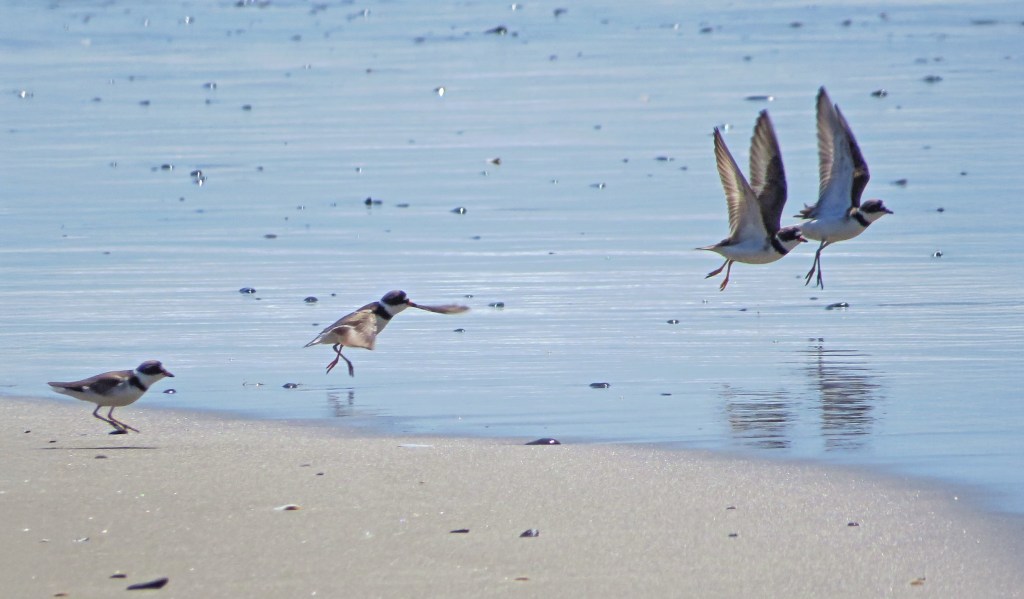
Western Snowy Plovers, Horned Larks, and other wildlife use the sandy beach habitat. Washington Dept. of Fish and Wildlife (WDFW) suggests taking these steps to help keep plovers and other coastal wildlife safe:
–Respect closures: Do not walk into the dunes beyond posted closure signs.
–Dogs + Birds = Problems. Keep dogs close to you and away from nesting areas. –Please consider keeping your dog on-leash during the nesting season, even if leashes are not required.
–Leave no trace. Pack out any food and trash. Food waste attracts plover predators like crows, ravens, and coyotes.
–Keep the skies clear. If possible, try not to fly a kite or drone above or around plover nesting areas. Plovers can mistake them for airborne carnivores, which causes them stress.
If on a driving beach:
–Drive slowly: the beach speed limit is 25 mph. This speed protects plovers and migratory shorebirds.
–If possible, try to drive in the wet sand below the wrack line.
–Do not drive in the wrack line between June and August: tiny plover chicks hide in the seaweed.
If you want to learn more about responsible and bird-friendly recreation this summer, check out Audubon’s #ShareTheShore campaign. We have tools and tricks for both enjoying your outdoor time this summer and ensuring that our birds, plovers and their chicks included, can continue to thrive across our state!
 Vancouver Audubon