
By Ken Pitts
I took a bird photography trip to the other side of the Cascades and southeast to Summer Lake, Cabin Lake Bird Blinds, and Malheur. The trip lasted four days and started on April 23, 2025. Jon Pugmire (see his 17 favorite trip shots) was the most experienced at doing wildlife photography at these locations. He agreed to share this trip and his knowledge with me, Steve Bredthauer, and Craig Wallace, all VAS members.
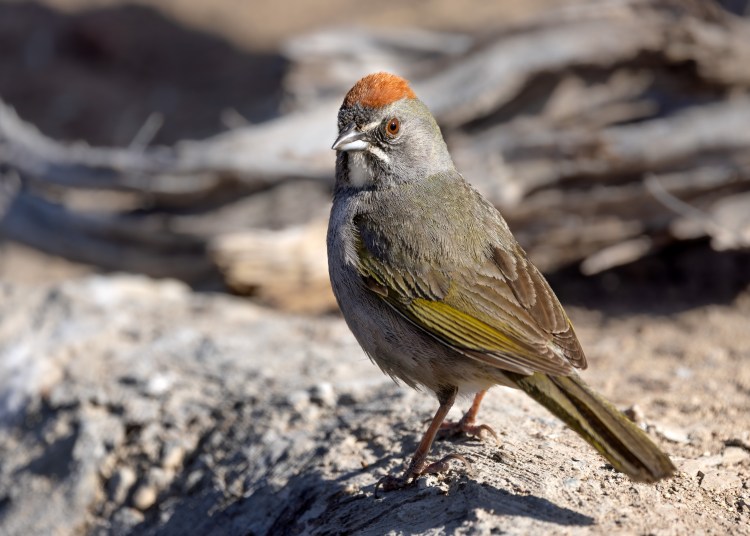
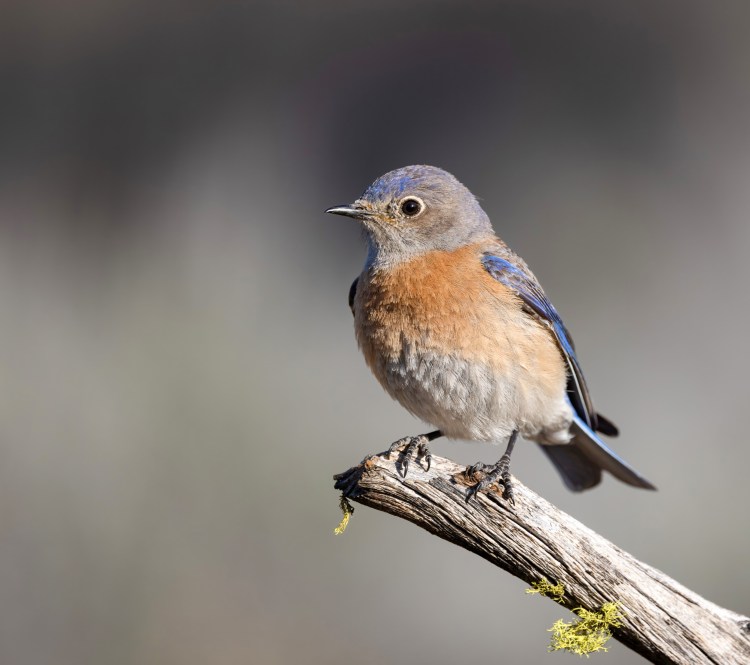
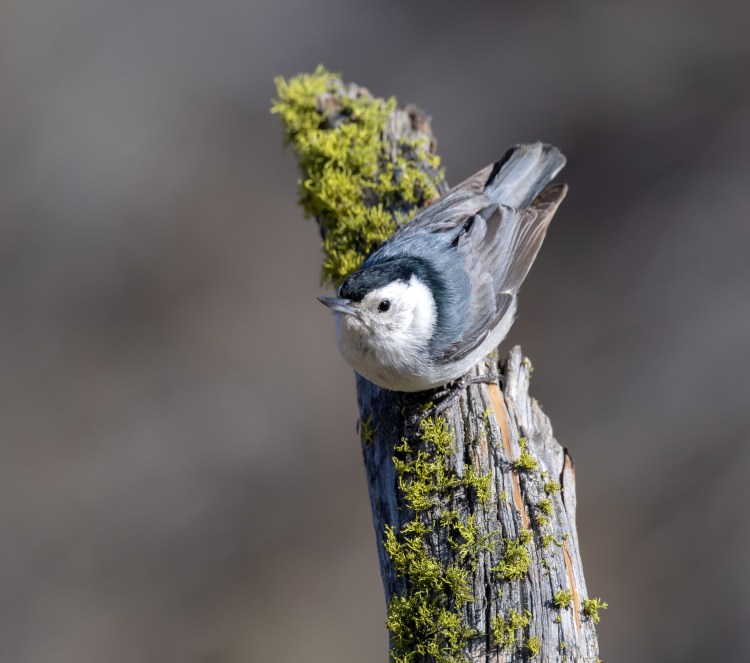
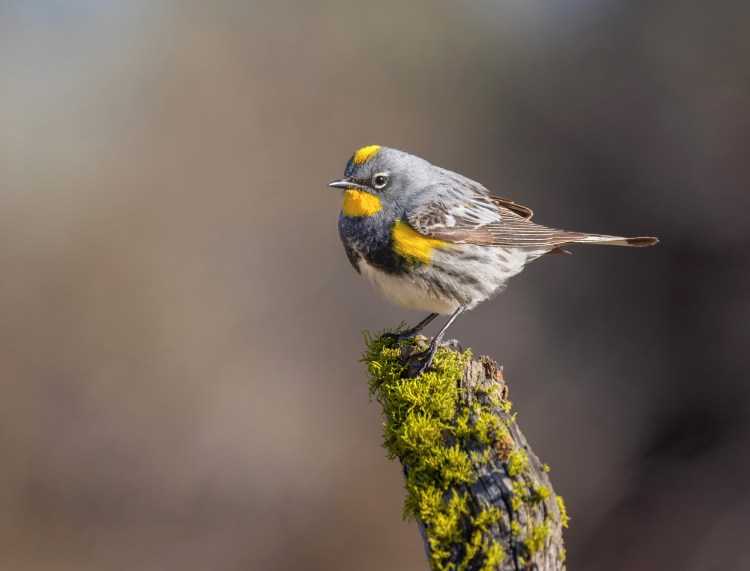
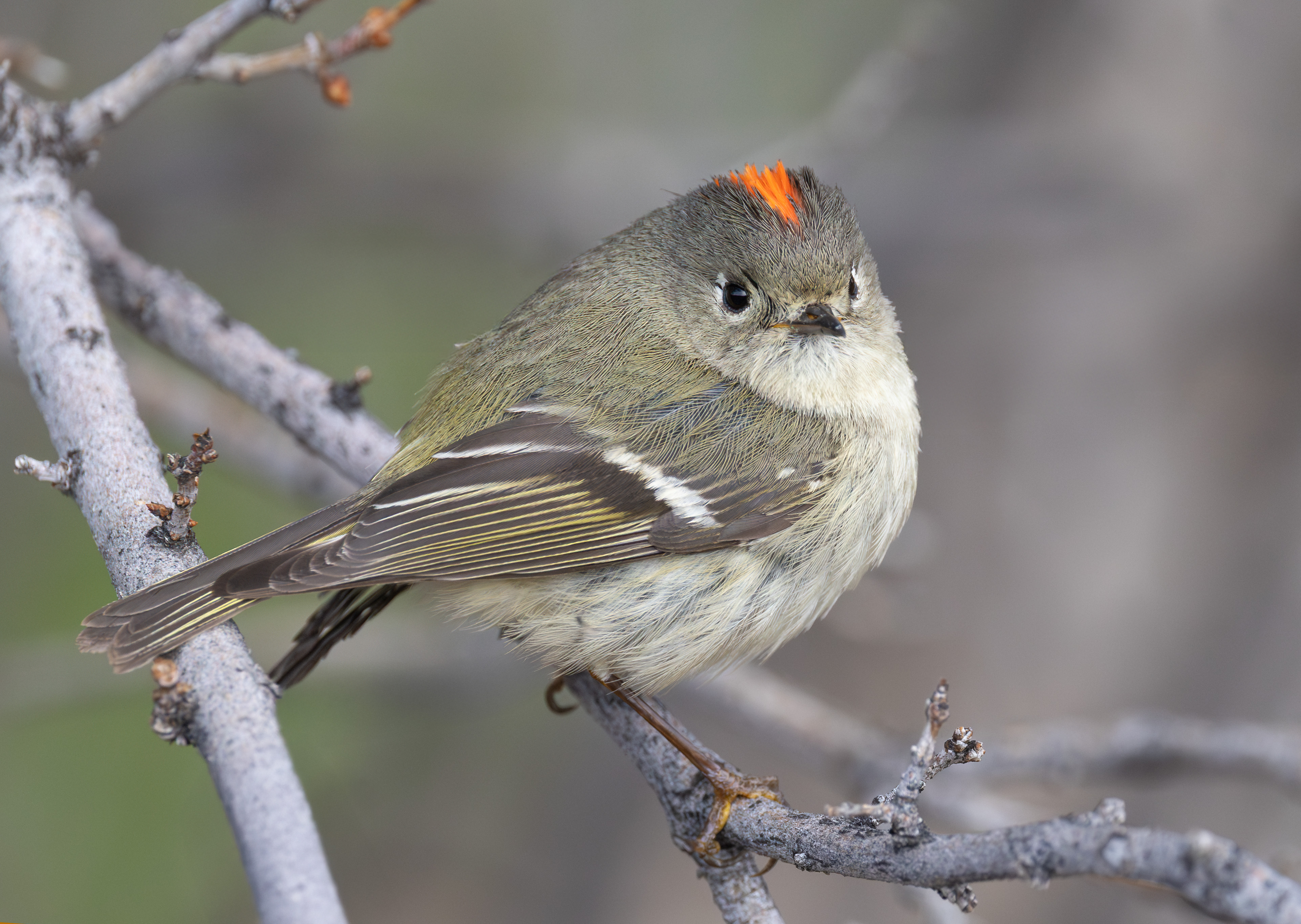
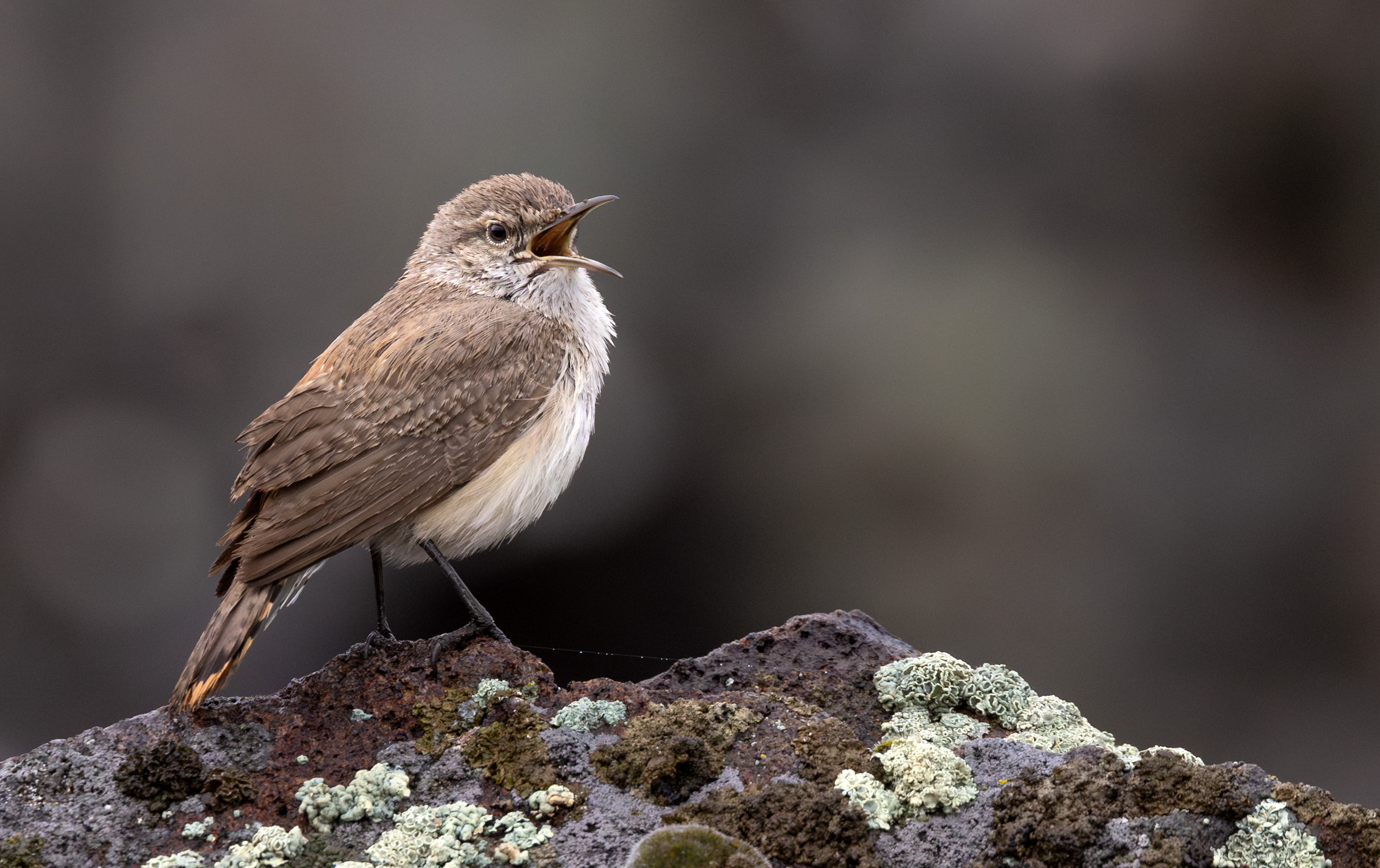
Two nights at The Lodge at Summer Lake allowed us to get out on the refuge at sun up. We then headed about an hour’s drive to Cabin Lake Bird Blinds near Fort Rock, OR. The blinds at Cabin Lake are run by the East Cascades Bird Alliance. They have two blind structures with cement water basins conveniently set up with perches. Birds will come in for the water. They land on perches set up and custom arranged by photographers. This allows photographers to get close to otherwise skittish species. The birds were only about 1/10th as active as they usually are here. Yet, we were still able to get some keepers. Activity was down because there was standing water just across the road. It was early in the day and season. The temperatures were cool. There was a thin layer of ice on the basin water sources.
Driving around Summer Lake NWR is always an adventure in what is going to show up. Midge flies were swarming in clouds of insects near the brush around the refuge. Yellow-headed and Red-winged Blackbirds, Sagebrush Sparrows and White-crowned Sparrows were sitting on the Sagebrush and snatching them from the air. I captured my two favorite photos at this location. They were of Forster’s Terns hovering over the edge of the lake. The birds were right out in front of us. They were attempting to spot small fish, dive, and carry them away to their nests. Since the wind was to our backs, the terns hovered directly in front of us and were facing our direction. My other favorite was of a White-faced Ibis launching into the wind. I was in the passenger’s side of Jon’s vehicle and the bird was on his side. I could see the ibis was moving to the end of a small island as it fed. My prediction was that it would fly when it reached the end. I got out of the vehicle. I moved into position with the wind at my back. I knew birds always launch into the wind. Sometimes predictions are right, like this time!

Yellow-headed Blackbird snatching midge flies out of the air. 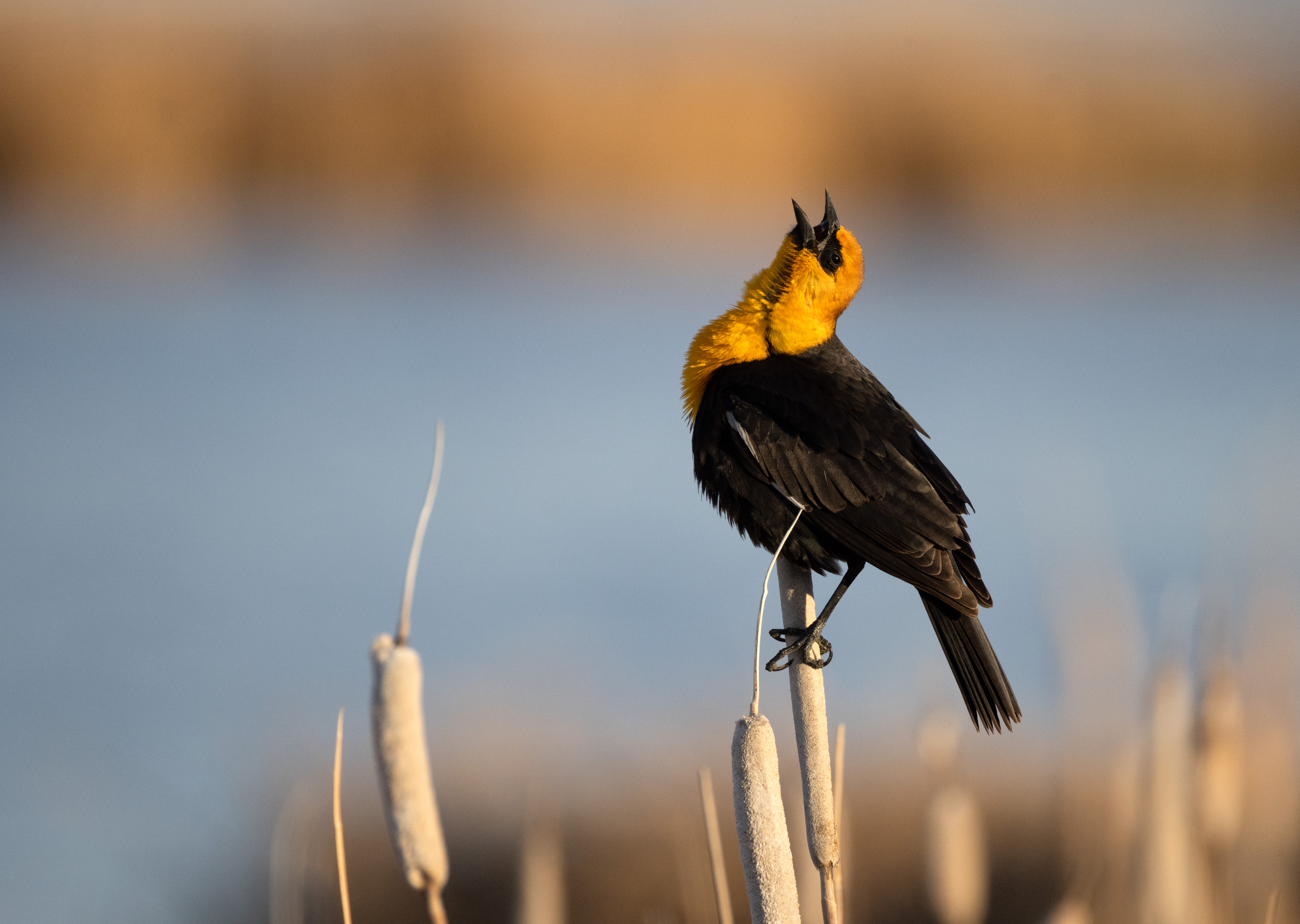
Yellow-headed Blackbird making its usual crazy-sounding call and always going to the left. 
Sagebrush Sparrow watching to catch midge flies. 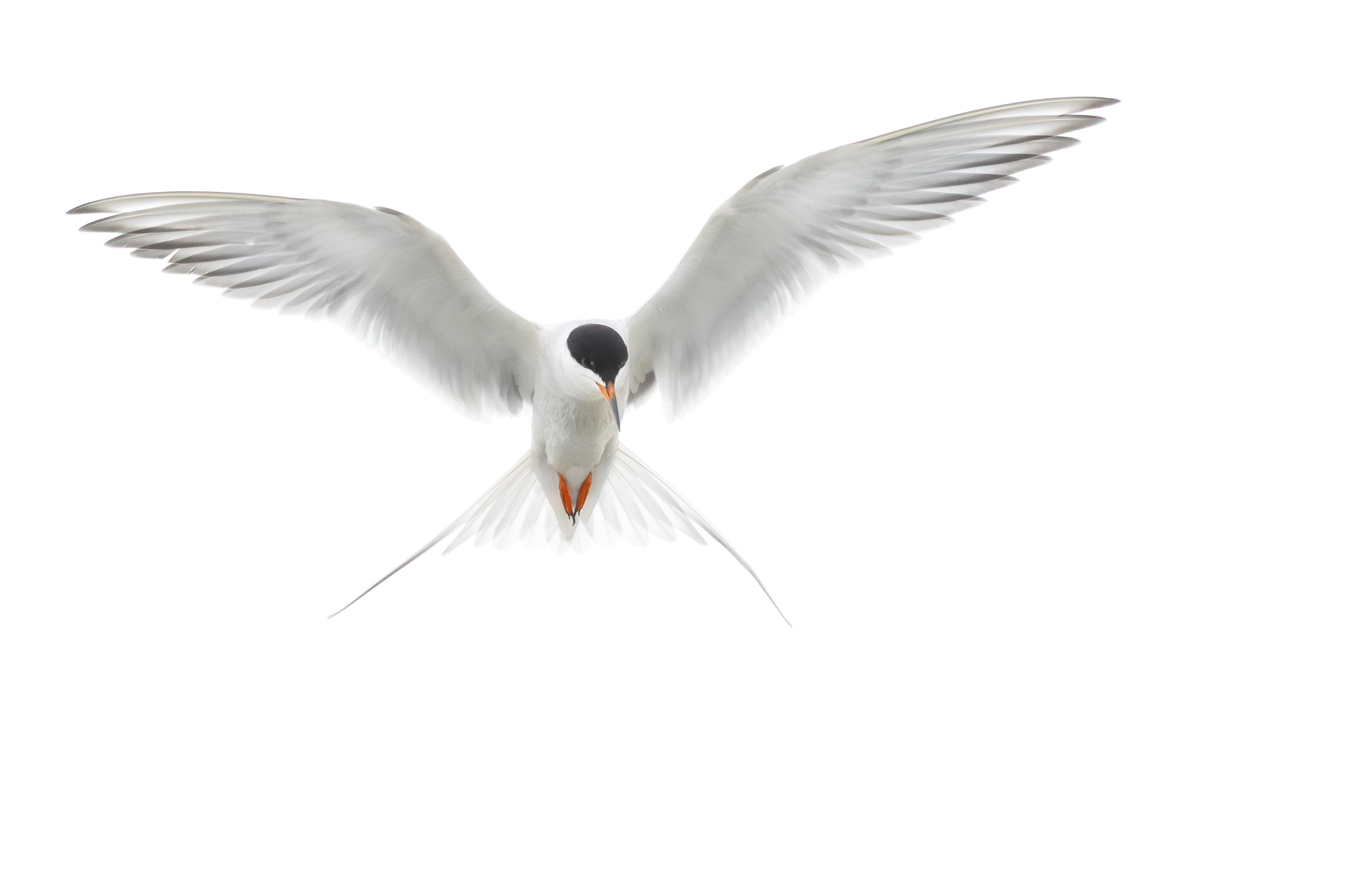
Forster’s Tern hovering before plunging into the water for tiny fish. 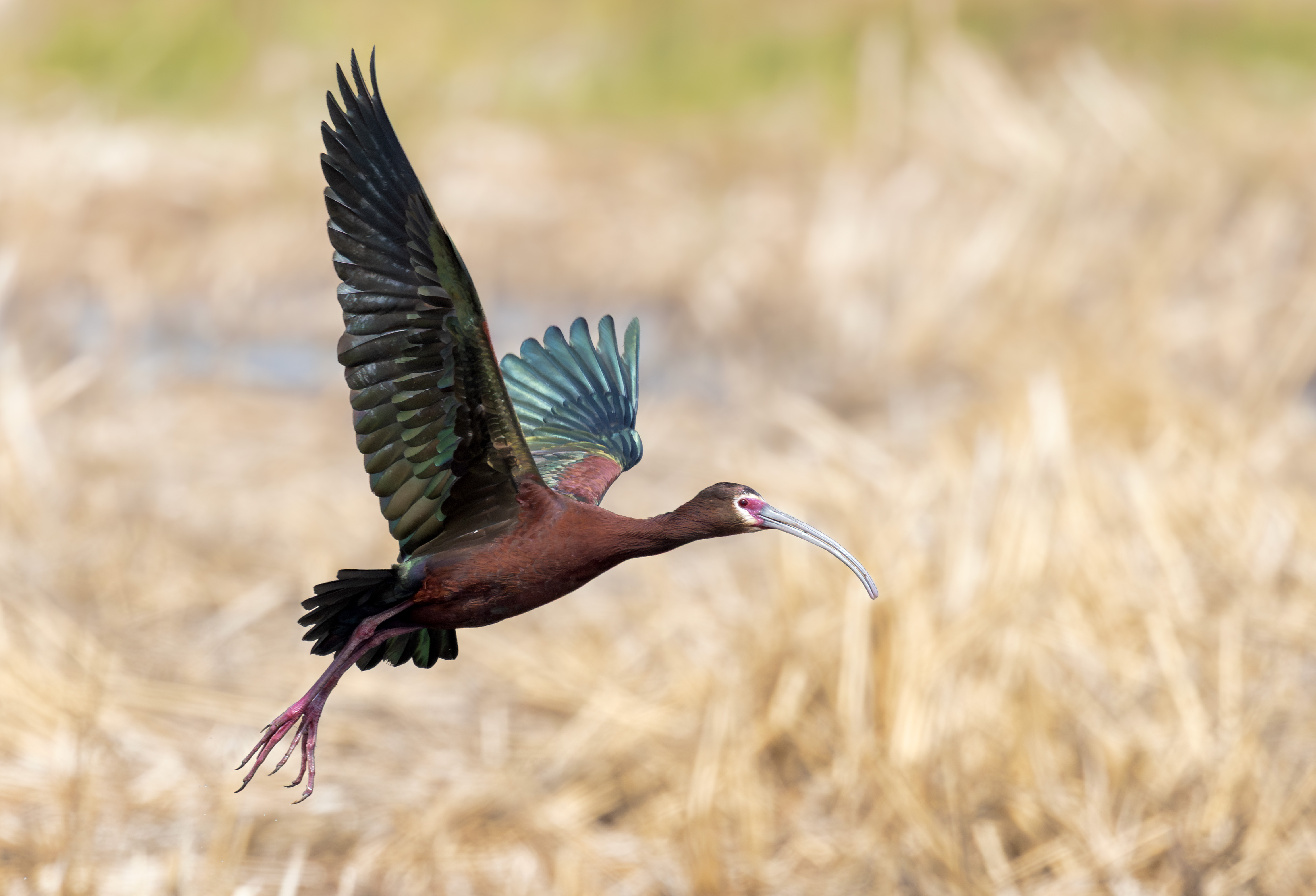
White-faced Ibis launching into the wind.
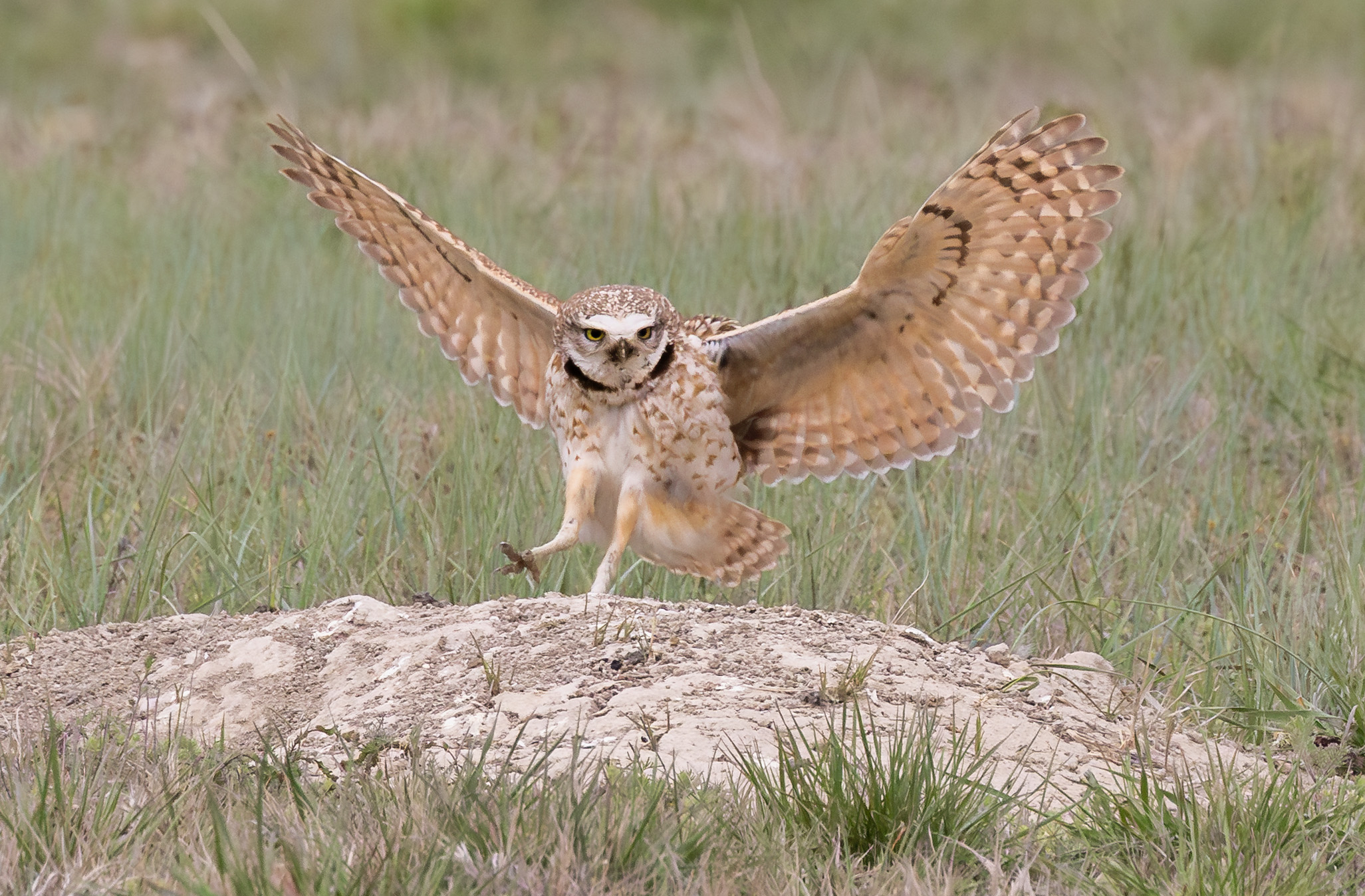
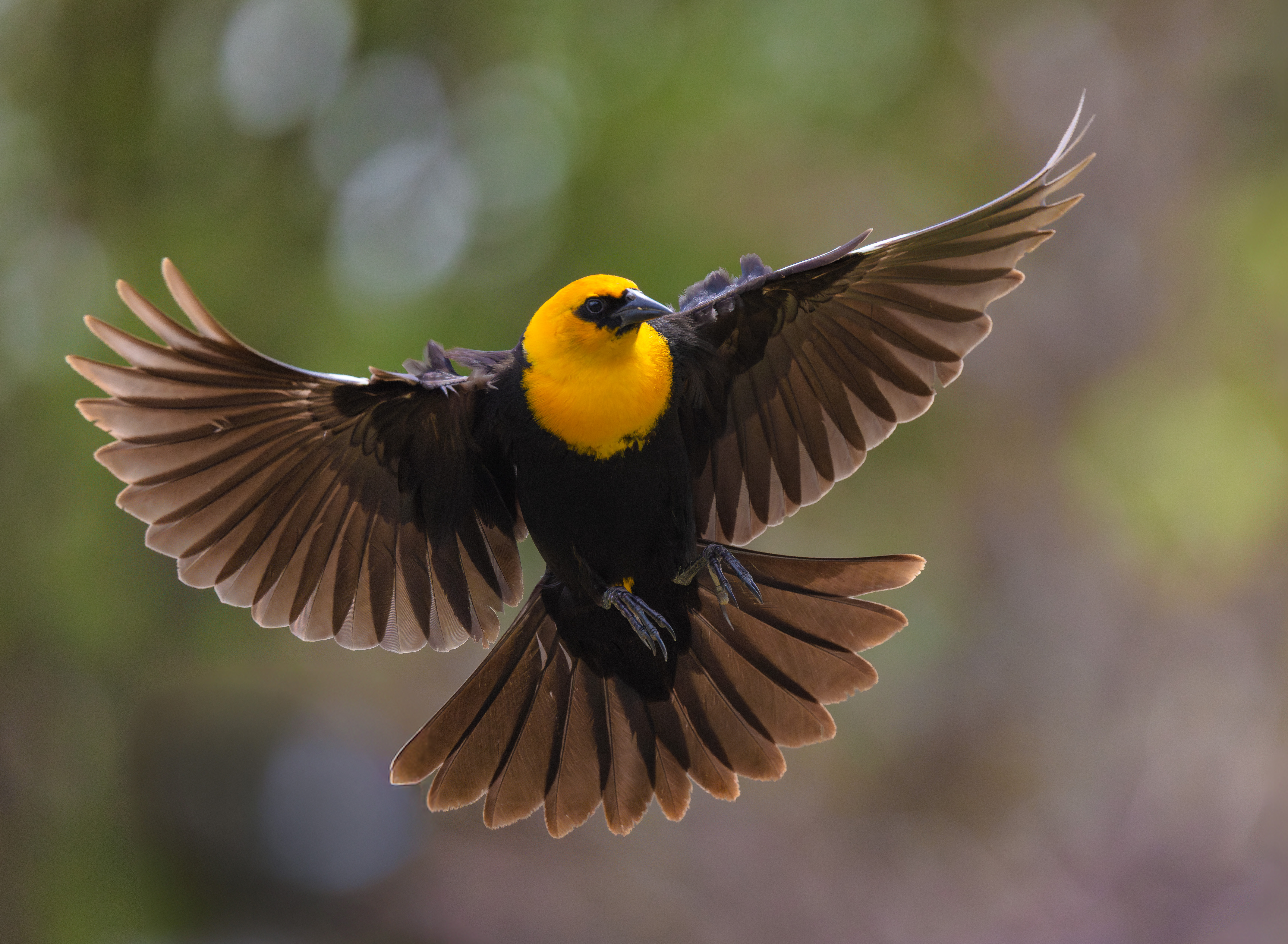
We headed to Malheur with two nights stay at Burns, OR. Historic flooding had changed the normal landscape of the area into one with a lot of standing water! So I don’t really know what a normal trip to this monster wildlife refuge is usually like. If shorebirds are normally concentrated around shallow water and surrounding mudflats, well those didn’t exist. We were able to photograph Burrowing Owls. We also captured images of hundreds upon hundreds of White-faced Ibis and smaller birds around the Malheur Visitor Center. The Burrowing Owls delighted all four of us. One came from afar and flew into the burrow. We were focusing on several owls sitting on it. All of us captured it in flight during the three different opportunities we were given. My favorite shot was of a Yellow-headed Blackbird at the Visitor Center. I caught it flying into the wind. It was landing on a feeder. Again, positioning myself with the wind to my back allowed them to be held up momentarily as they landed. Several hours and thousands of shots at 20 fps finally landed me a perfect one. Just about a mile from the Visitor Center, about 400 White-faced Ibis were working a flooded field. I noticed a pattern. Every so often, an ibis would launch into the wind, fly parallel to us, and switch feeding positions. It was worth the stop and shooting for about an hour. The effort paid off for just the right shot with a nice clear and distant background.


I would choose Summer Lake and the Cabin Lake Bird Blinds if I could visit a place for several days again next month. I found Malheur to be overwhelming in size and scope. I find Summer Lake to be more intimate. The shorter distances to feeding bird populations are more suitable for photographers wanting to get up close. A shout out to Jon for sharing his favorite locations and modeling for us his approach to photographing birds there! The proof is in the product, and all four of us got some terrific shots. Among the four of us, all three big name camera systems were used. Jon and I use Canon, Craig Nikon, and Steve Sony. All three systems were highly effective.
 Vancouver Audubon