
Five Ways to Enjoy Rainy Birding (Especially in the Pacific Northwest)
Every year, as winter fast approaches and the weather makes birding…
less appealing, to say the least. However, there are still many great birding
experiences to be had, atmospheric rivers or no. In fact, many of our
feathered friends can become easier to observe as the rain sets in. Here
are a few ways you can enjoy the outdoors even with heavy precipitation.
Number 1: Use A Blind
One of the best ways to stay dry and make winter birding more
accessible is to use a blind. But be creative! While traditional blinds have
their perks, they can be difficult to heat and are not always the most
waterproof structures. Your car, however, is heated, mobile, and most of
all, dry. If you have never been to an auto-tour route at a National Wildlife
Refuge, winter is a great time to try. Ridgefield NWR has one of the best in
the country. Ankeny NWR and Hart Mountain Antelope Preserve in Oregon
pose more great opportunities to use your vehicle as a blind. And if you
are up for a drive, check out Ruby Lake NWR near Elko, NV for a change of
scenery and a stellar auto-tour route.

Another blind that many utilize is your own home! Be it looking out your kitchen window, or sitting on your front porch, do not feel like you need to travel to see wonderful wildlife. As Vincent Van Gough once said, “If you truly love nature, you will find beauty everywhere.” So grab your heated blanket and binoculars, and take some time to enjoy the wildlife just outside your window.
(Above) This American Bittern photo was taken at the Ridgefield NWR auto-tour route in January, 2020.
Number Two: Keep Up On Your Bird Feeder
Yes, we get it! Life gets busy, and when the weather is yucky, it can be all the harder to find the motivation to keep your feeders well-stocked. However, winter is arguably the most important time to keep your feeder filled. As natural resources become scarce, and those late to the migration game go hungry, you may be surprised by the diversity that a winter feeder can bring. Be sure to include calorie-dense, high protein mixes in your feeders during the winter months, too. This is the time when your chickadees and juncos are the hungriest, and have the least amount of daylight to forage. So keeping a healthy mix of shelled sunflower seeds, peanuts, mealworms, and high-quality suet will certainly attract aves to your feeder.
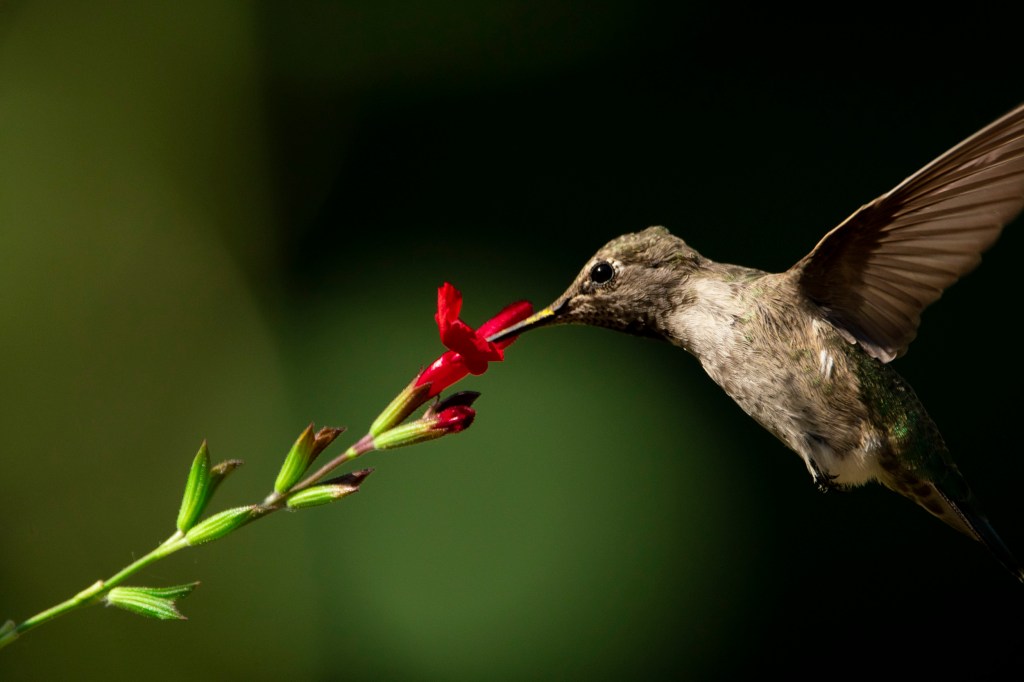
Want to know the secret to a successful bird feeder? Keeping it consistently stocked. It takes a lot of energy for our feathered friends to make it to the feeder. As such, it only takes a couple of fruitless attempts for birds to lose interest in a feeder. Guilty as charged? No worries, you are not alone. Just try your best to keep your feeders filled, clean, and squirrel-less to support our bird community. And don’t forget the hummers! Believe it or not, Anna’s Hummingbirds stay in many parts of
SW Washington year-round. Just be sure to bring your feeder inside on cold nights, or you may end up with broken ones in the morning. Check out this link to the National Audubon Society’s recipe for homemade nectar here.
(above) Anna’s Hummingbirds can be entertaining winter birds, too!
Number 3: Birds Can Be More Docile When It Rains
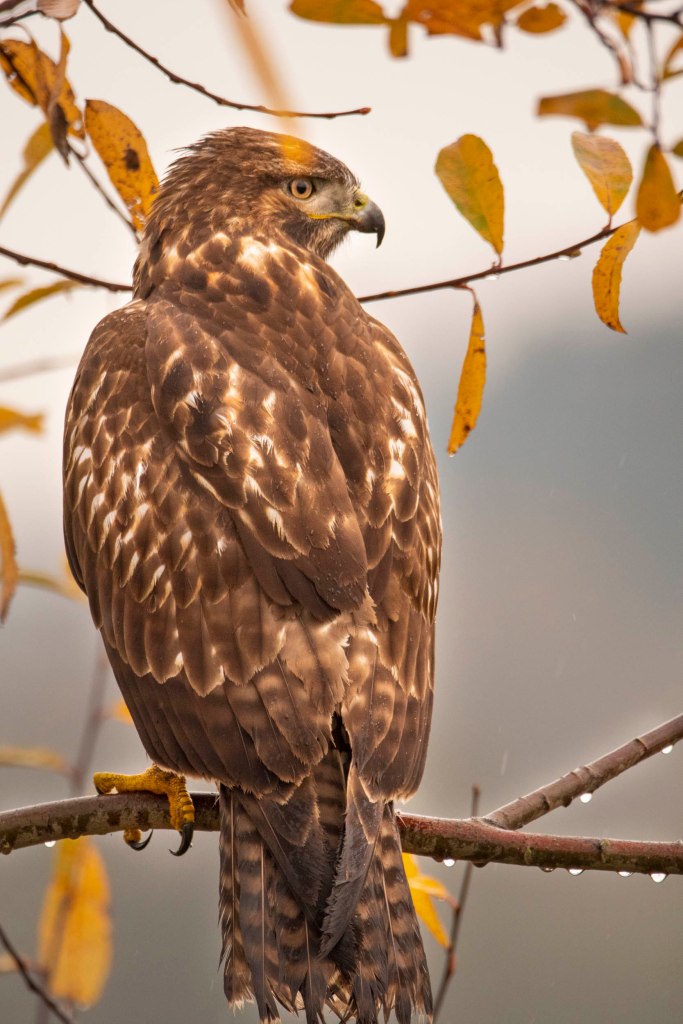
One of my favorite things about December-April is that with the rain comes wet feathers and calm birds. Many birds (especially raptors) get rather cranky when the weather is wet, and so they find a nice perch and sit there for long periods of time. This poses a great opportunity to fully and closely observe raptors, flickers, and hummingbirds which hunker down during excessive rain.
(left) a Red-tailed Hawk perches in the rain at Ridgefield NWR
Another benefit of the rain is that it brings out waterfowl! Coots, ducks, mergansers and more all enjoy foraging in the rain. Robins and Killdeer spend ample time in soggy fields feasting on troves of worms and other invertebrates that are all the easier to find when the weather is wet. So think about going to a school football field, wildlife refuge, or local pond this winter and enjoying the lesser-seen joys of rainy days.
Number 4: Water Saturates Colors for Photographers
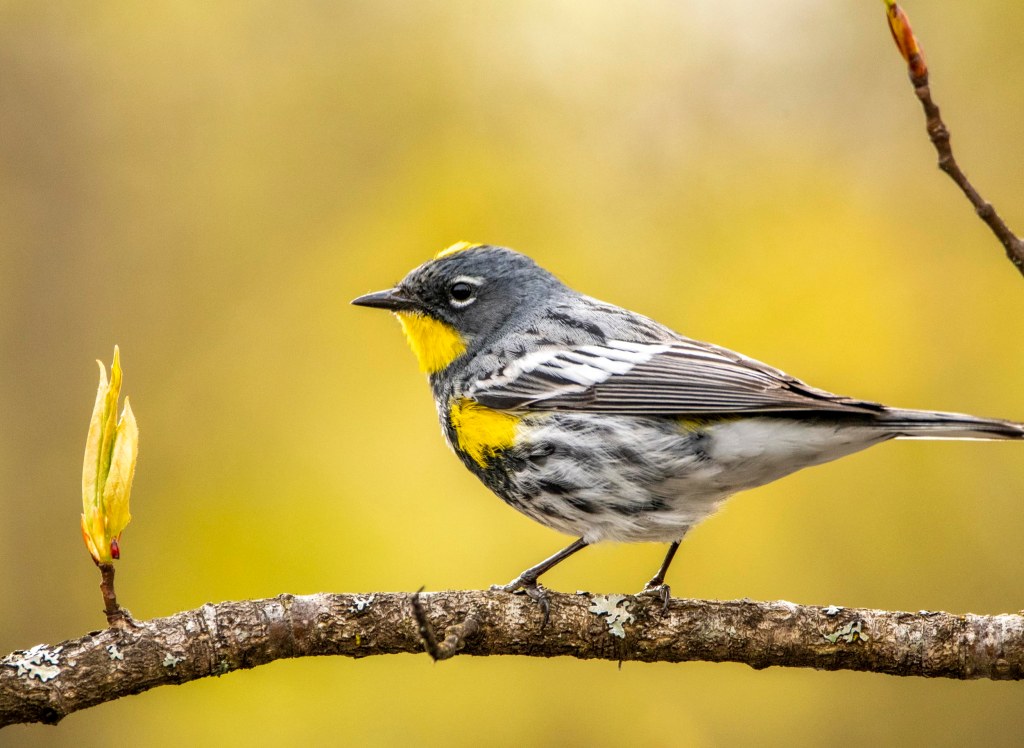
Attention photographers! As much as we worry about drenching our equipment and soaking our socks, the water creates a unique and appealing environment for photography. Due to the structure of water molecules, light is refracted, bent, and reflected when it goes through H₂O. When the world around us is damp, the bending of the light appears to our eyes as a heavy saturation of color. Greens become greener, reds become redder, and yellows become yellower. This can lead to more vivid and intriguing images. So as you are walking around mid-rainstorm, just think about how when the sun pokes through for just a moment, there will be a world of color like never before.
Number 5: Beat the Crowds
The last reason I will share with you to get out and bird in the rain is
simple: you very well may be the only one. An excellent perk of wet
weather is that only people really into birding are willing to brave it. With
less human activity, the wildlife is able to move into areas otherwise
occupied, and do so undisturbed. The benefits to this are insurmountable.
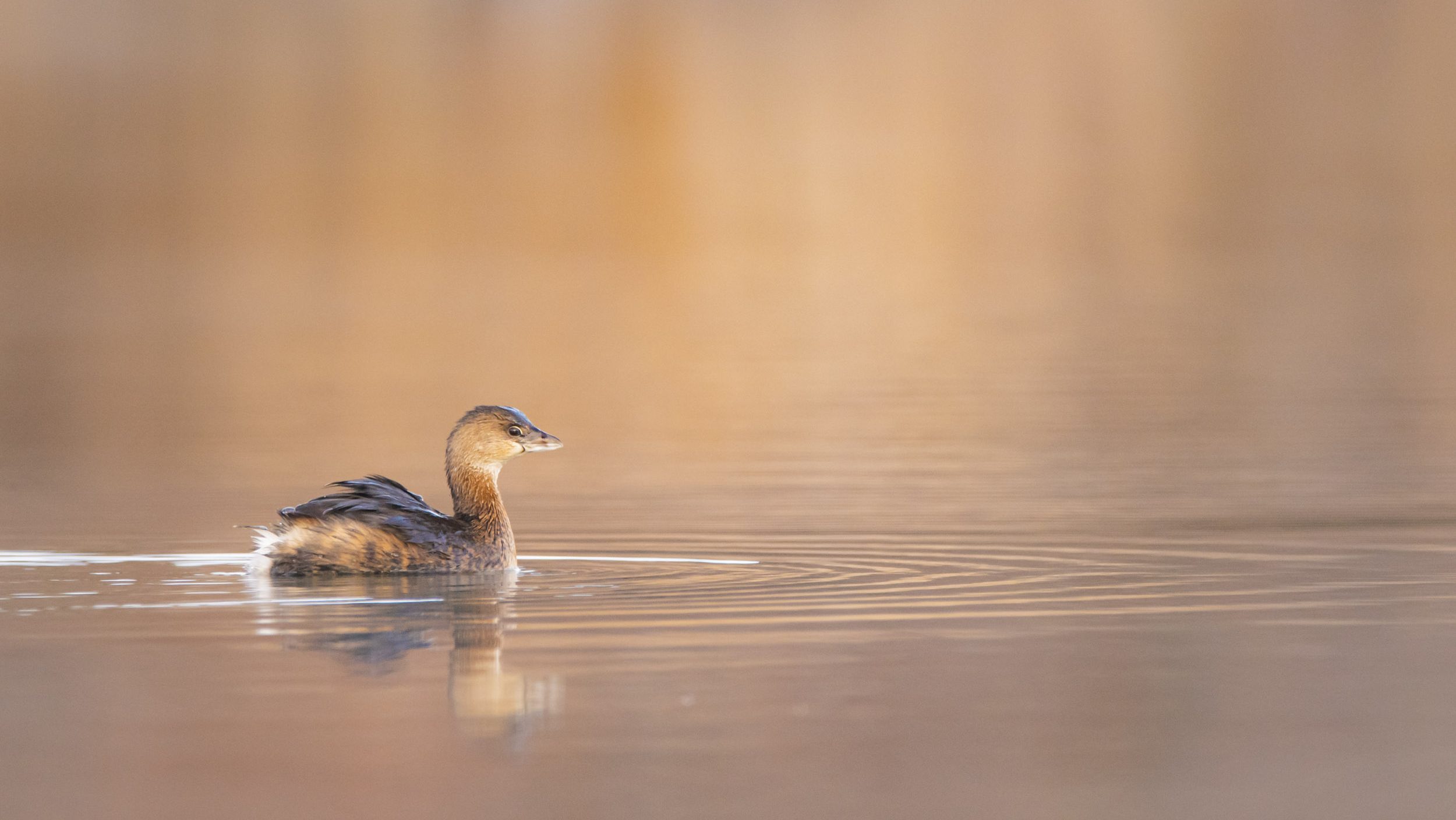
(Above) A Pied-billed Grebe floats peacefully one rainy morning at the Delta Ponds in Eugene, OR.
Using the tips above, you can see some amazing birds and stay (mostly)
dry. The number one way to see birds any time of year is simply to look. So
get out there and bird!
Happy birding!
– Jackson
“Not all is doom and gloom. We are beginning to understand the natural world
and are gaining a reverence for life – all life.” – Roger Tory Peterson
 Vancouver Audubon